
Procyon lotor
Meet Leon.
Leon is a 1-year-old blonde leucistic raccoon. His pale coat is unusual; his intense curiosity, dexterity, and advanced care needs are thoroughly raccoon.
Search raccoon answers →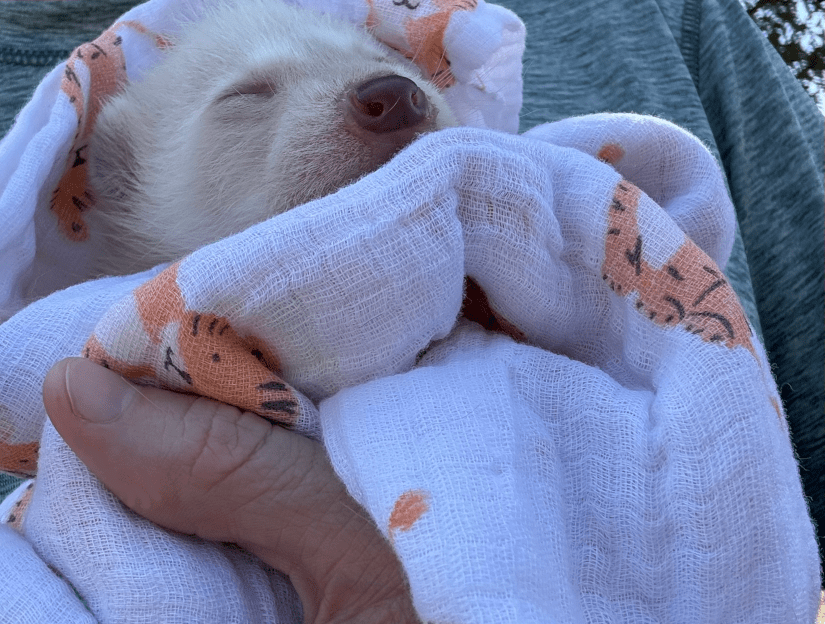
Advanced care, real wild instincts.
Raccoons need secure expansive housing, climbing, water play, daily problem-solving, varied veterinarian-designed nutrition, permits where required, and an experienced exotic-animal care team. Socialization does not make a raccoon domesticated; maturity can bring resource guarding, territoriality, destruction, and unpredictable bites.
Housing & Environment
Adult raccoons need fully enclosed, escape-proof enclosures with climbing branches, platforms, dens, and water features for wading and foraging. Daily enrichment and secure latches are essential.
Nutrition & Health
Varied diets, fresh water, and regular veterinary checks help manage weight and prevent common health issues. Raccoons also require rabies vector precautions and careful waste handling.
Behavior & Social Life
Nocturnal, highly tactile, and problem-solving, raccoons investigate everything with their paws. Early social exposure helps but does not erase wild instincts that emerge with age.
Legal & Lifetime Commitment
Many states restrict or license raccoon care. With 10–15 years of specialized daily care, raccoons are a long-term commitment requiring experienced support.
The Raccoon Manual
Professional guidance by Richard Ward.
Raccoon knowledge
Raccoon care questions
A closer look at anatomy and physiology for raccoons, including food, habitat, safety, and veterinary planning.
Raccoons · anatomy and physiologyWhat lighting do raccoons need? →An everyday reference for understanding lighting and ultraviolet exposure in raccoons.
Raccoons · lighting and ultraviolet exposureHow do I protect the teeth, jaw, and mouth of raccoons? →A practical path through the most common grooming and hygiene questions about raccoons.
Raccoons · grooming and hygieneWhat enrichment and exercise do raccoons need? →Make enrichment and exercise decisions that fit the body, behavior, and lifetime of raccoons.
Raccoons · enrichment and exerciseWhat should I know about adopting or rehoming raccoons? →Useful questions, warning signs, and care details for raccoons and adoption, rescue, and rehoming.
Raccoons · adoption, rescue, and rehomingHow often and how much should raccoons eat? →Learn how the biology of raccoons changes everyday decisions about feeding schedules and portions.
Raccoons · feeding schedules and portionsHow can I tell whether raccoons are properly hydrated? →Help raccoons thrive with a hydration and dehydration prevention plan built around measurable care.
Raccoons · hydration and dehydration preventionWhat can waste changes reveal about raccoons? →Explore the habitat, nutrition, behavior, and safety details behind urine, feces, droppings, and waste for raccoons.
Raccoons · urine, feces, droppings, and wasteHow do I prevent and respond to an escape by raccoons? →How the normal behavior and daily needs of raccoons shape escape prevention and recovery.
Raccoons · escape prevention and recoveryWhat treats are safe and useful for raccoons? →A closer look at treats and food enrichment for raccoons, including food, habitat, safety, and veterinary planning.
Raccoons · treats and food enrichment